
Basic Foods and Everyday Nutrients
This is an informational resource about the nutritional composition of simple, everyday foods. We explain how common ingredients contribute to daily nutrition through their natural nutrient content.
Educational content only. No promises of outcomes.
Explore Basics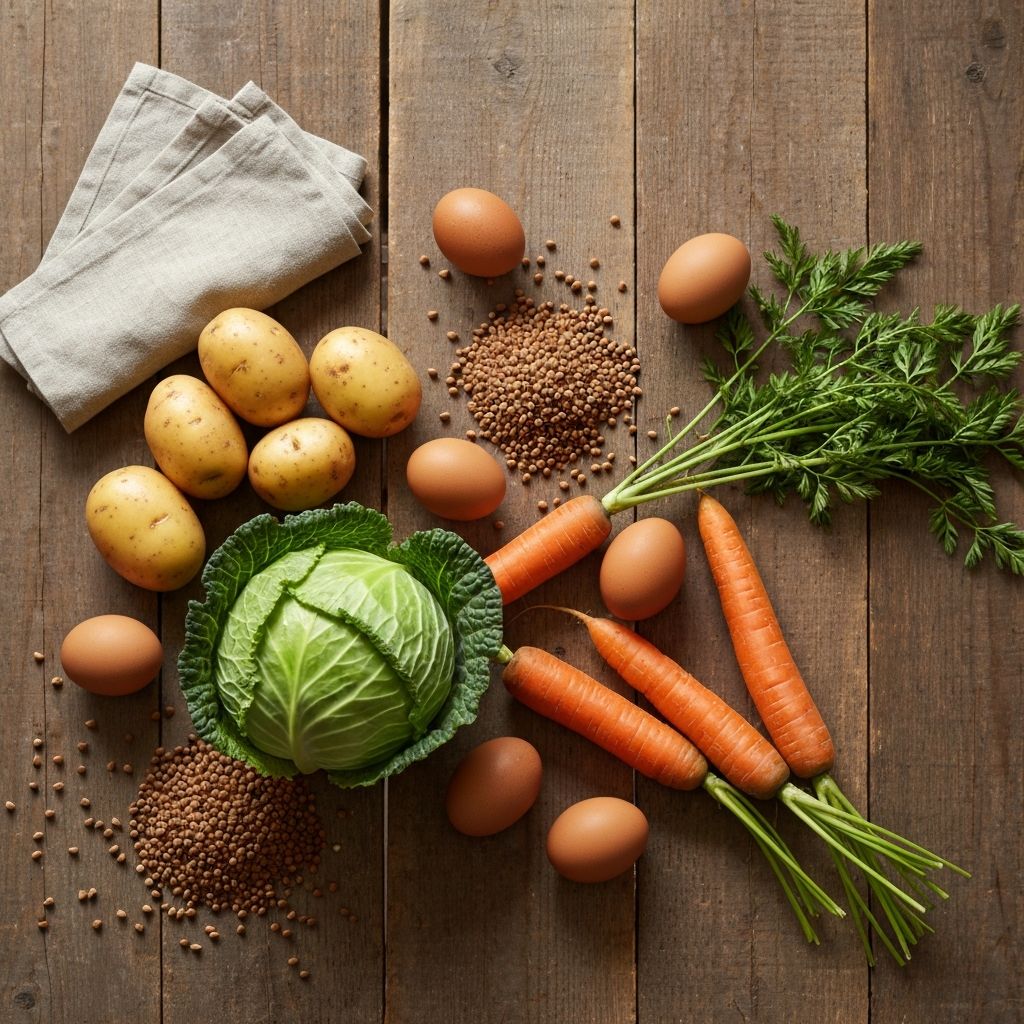
Basics of Everyday Nutrient Foods
Simple foods form the foundation of everyday eating. Understanding their natural nutrient composition helps recognize why variety in basic ingredients has been a principle of traditional eating patterns across cultures.
This content explores how common, affordable foods contain naturally occurring vitamins, minerals, and other compounds. The information presented here is educational and descriptive—it explains what is naturally present in foods and their general role in nutrition.
Vitamins in Common Polish Ingredients
Traditional Polish and Eastern European ingredients contain a wide variety of naturally occurring vitamins and minerals. These foods have been dietary staples for generations.
Root vegetables like potatoes and carrots naturally contain vitamin C and various B vitamins. Fermented dairy products such as kefir and quark provide B vitamins and minerals. Whole grains contain vitamin E, B vitamins, and important minerals.
Simple eating practices based on variety in these basic ingredients have long been part of everyday nutrition in the region.
Products – Root Vegetables Staples
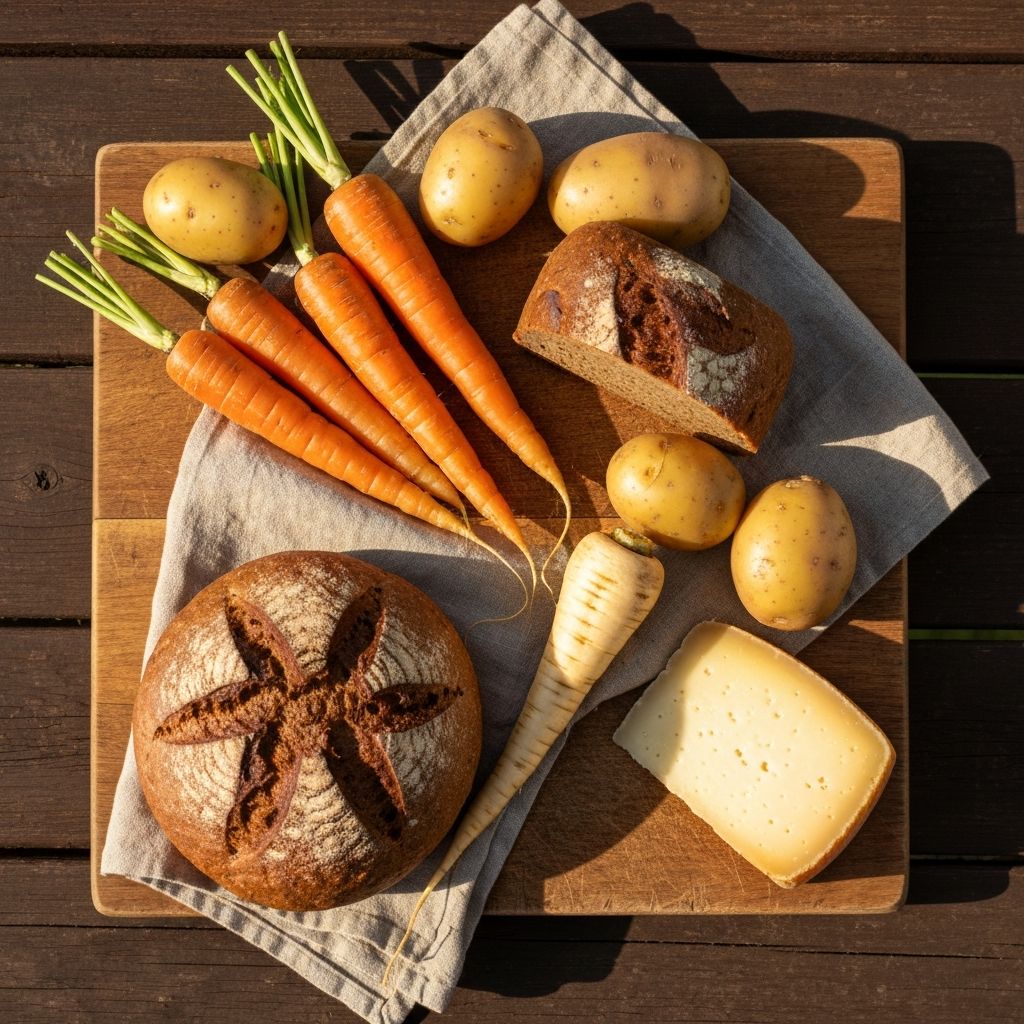
Root vegetables are fundamental to everyday cooking and nutrition. They are affordable, widely available, and naturally contain various nutrients.
Potatoes
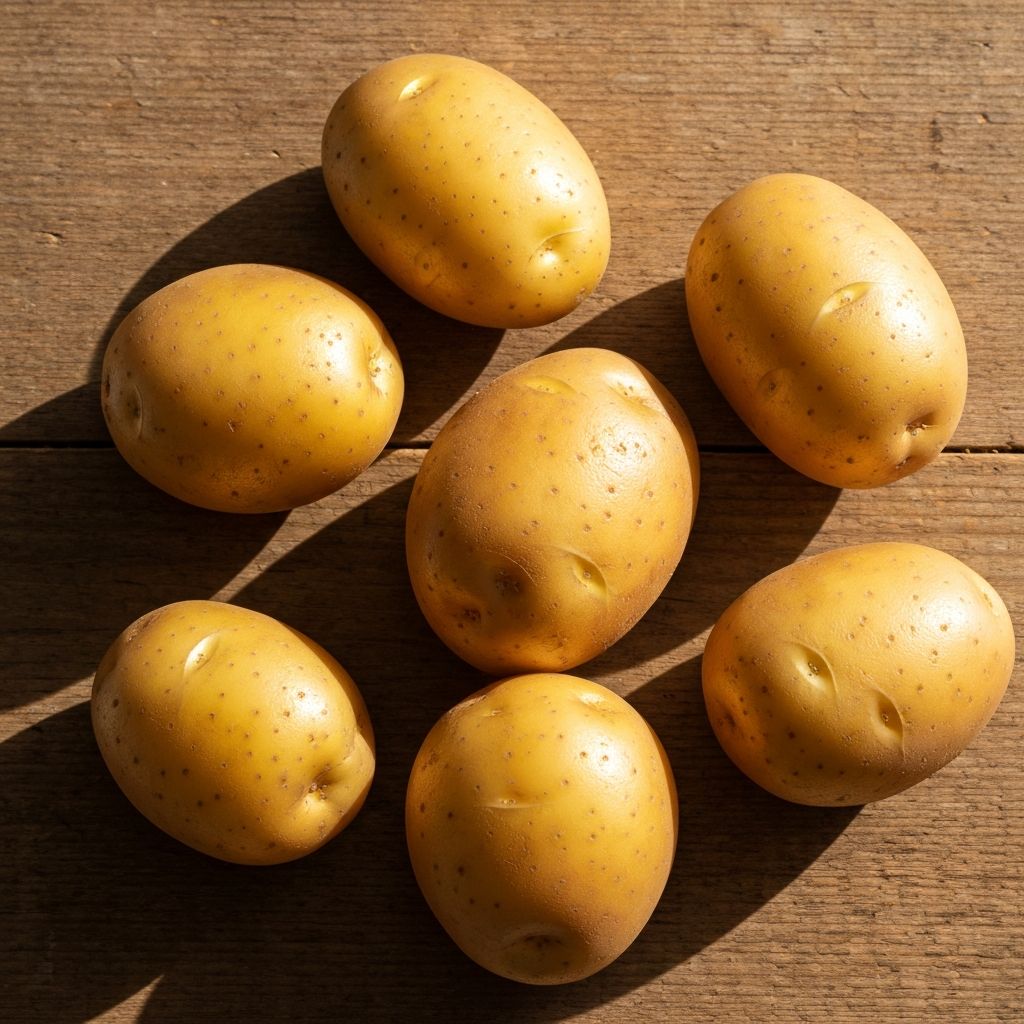
Potatoes naturally contain vitamin C, vitamin B6, and potassium. They have been a primary food source across Europe for centuries. Cooking methods affect nutrient content—boiling retains different nutrients than frying. Potatoes are a basic staple in everyday eating.
Carrots
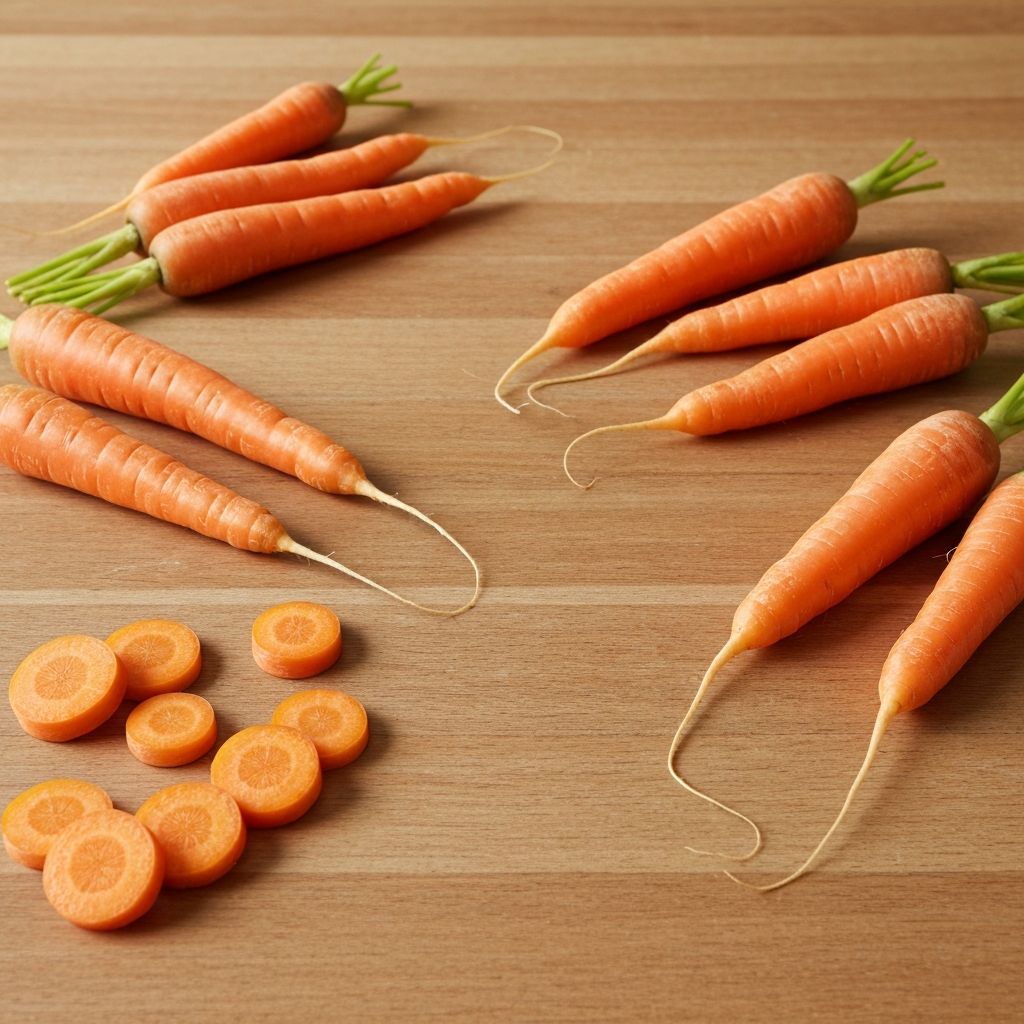
Carrots naturally contain beta-carotene (converted to vitamin A), vitamin K, and various minerals. Their orange color comes from natural carotenoid compounds. Both raw and cooked carrots provide nutrients, though cooking can affect bioavailability. They are one of the simple sources of these nutrients in everyday eating.
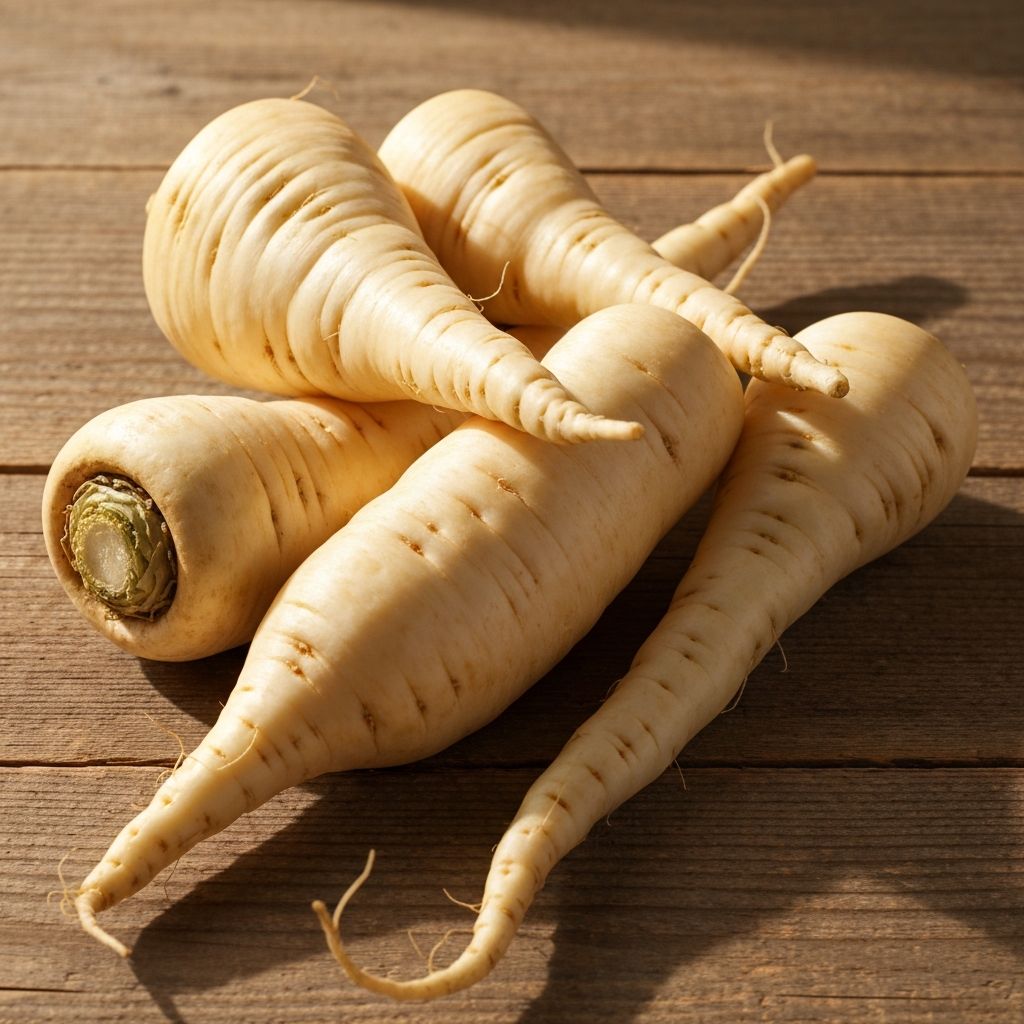
Parsnips
Parsnips naturally contain vitamin C, folate, and various minerals. As a traditional root vegetable, they have long been part of Eastern European cuisine. They provide similar nutritional profiles to carrots while offering slightly different nutrient compositions. Variety in root vegetables is one of the simple principles of balanced eating.
Products – Fermented Dairy Basics
Fermented dairy products have been traditional foods in Poland and Eastern Europe. They naturally contain B vitamins, calcium, and other minerals.
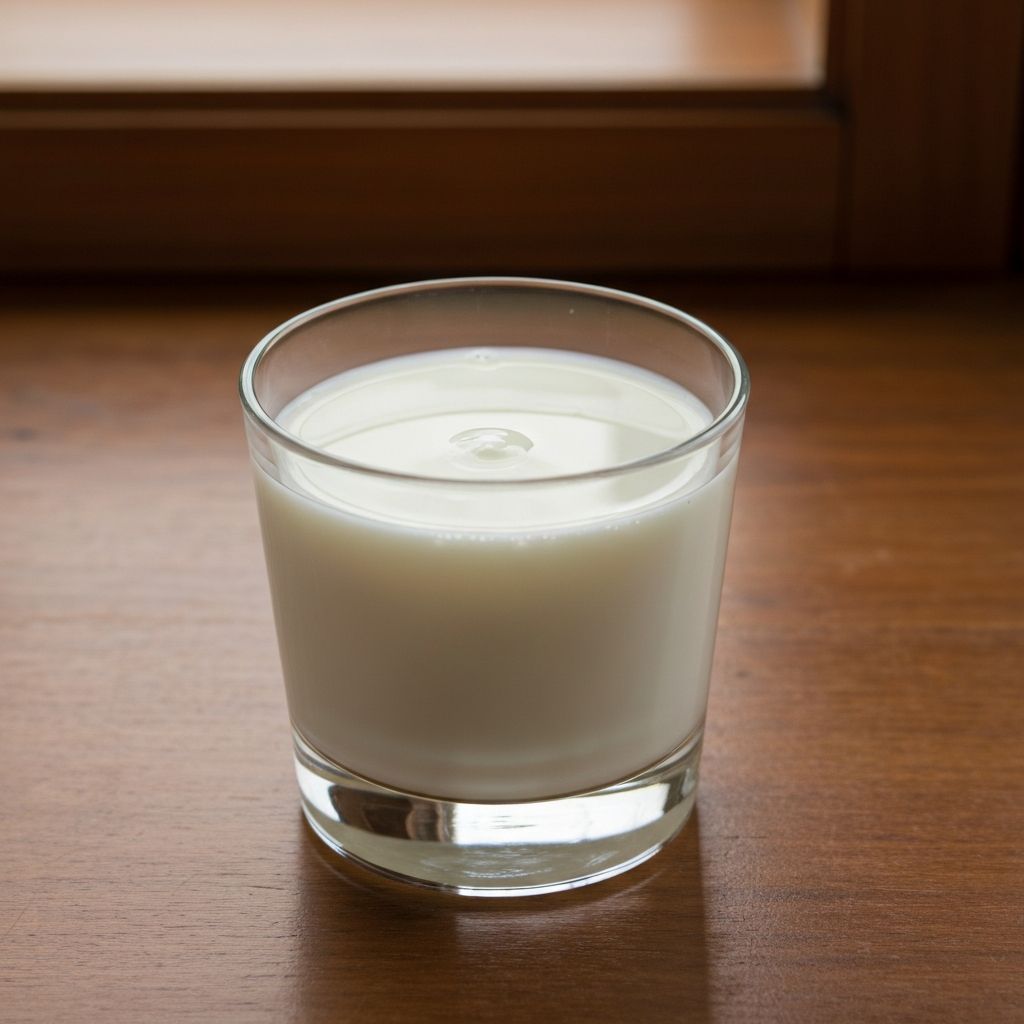
Kefir
Kefir naturally contains B vitamins (B12, B2, B6) and minerals like calcium and magnesium. It is a fermented milk product with a long history in Eastern European eating. The fermentation process affects its composition. Kefir is one of the simple sources of dairy nutrients in everyday consumption.
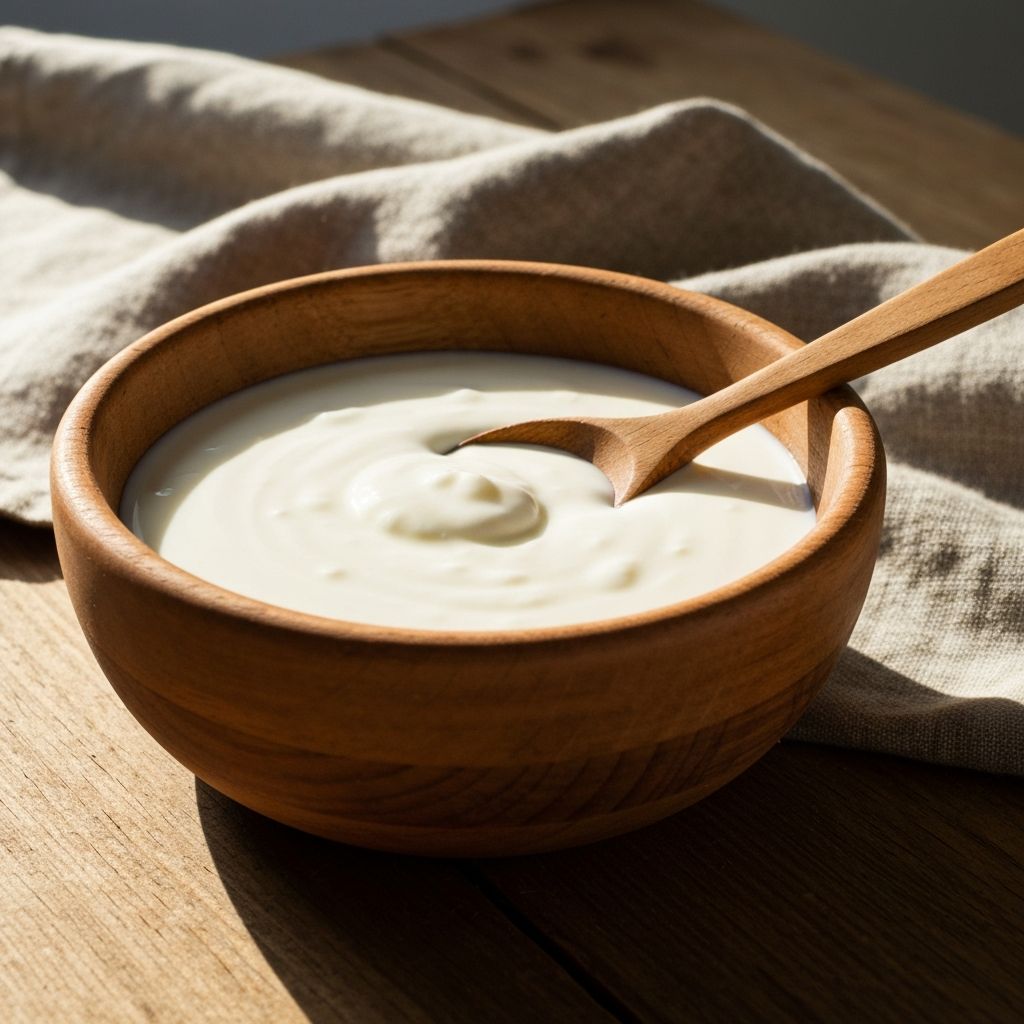
Buttermilk
Buttermilk naturally contains calcium, protein, and various B vitamins. It is a traditional fermented dairy product in Polish and Eastern European cuisine. The nutrient content varies depending on preparation methods. Simple buttermilk consumption has been part of everyday eating patterns for generations.
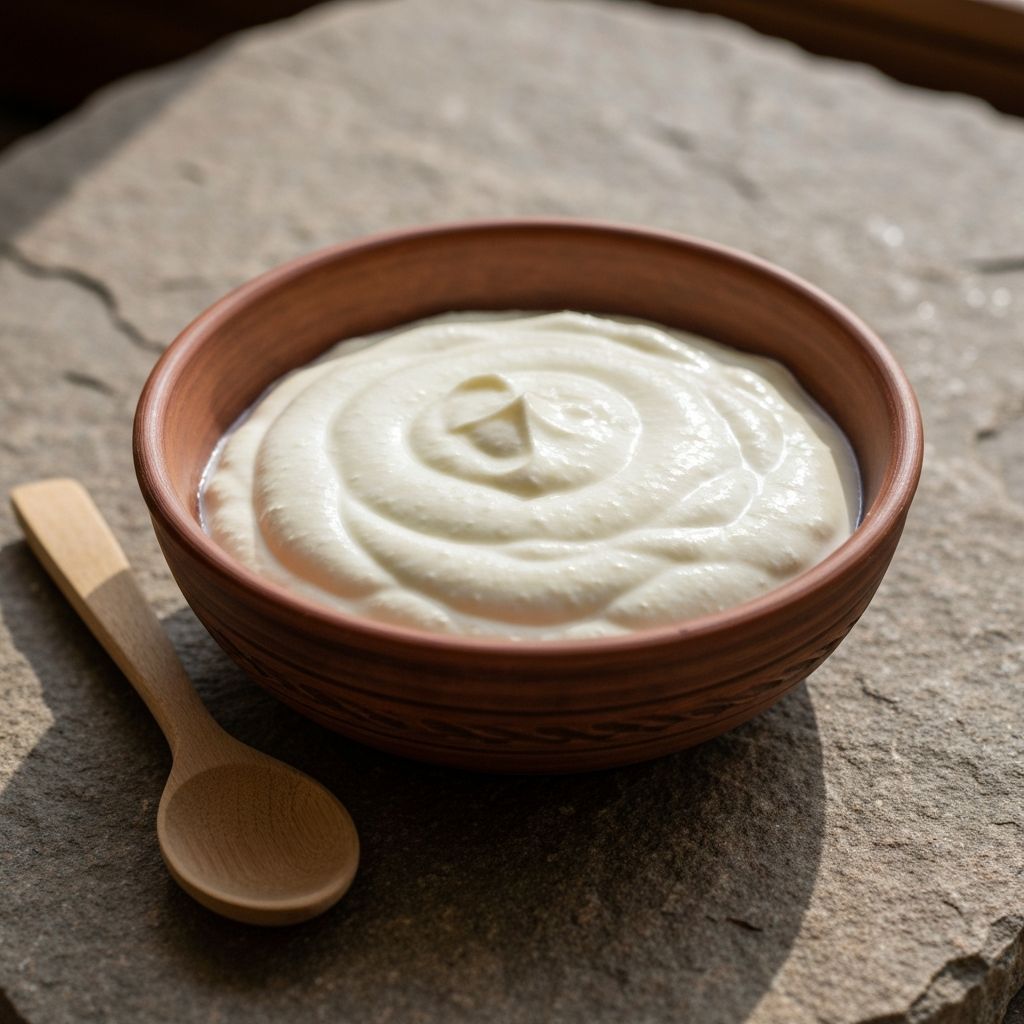
Quark
Quark naturally contains high levels of protein, calcium, and B vitamins. It is a fresh cheese product common in Polish and German cuisine. Quark provides mineral content through its dairy origin. It represents one of the simple daily sources of protein and minerals in Eastern European eating traditions.
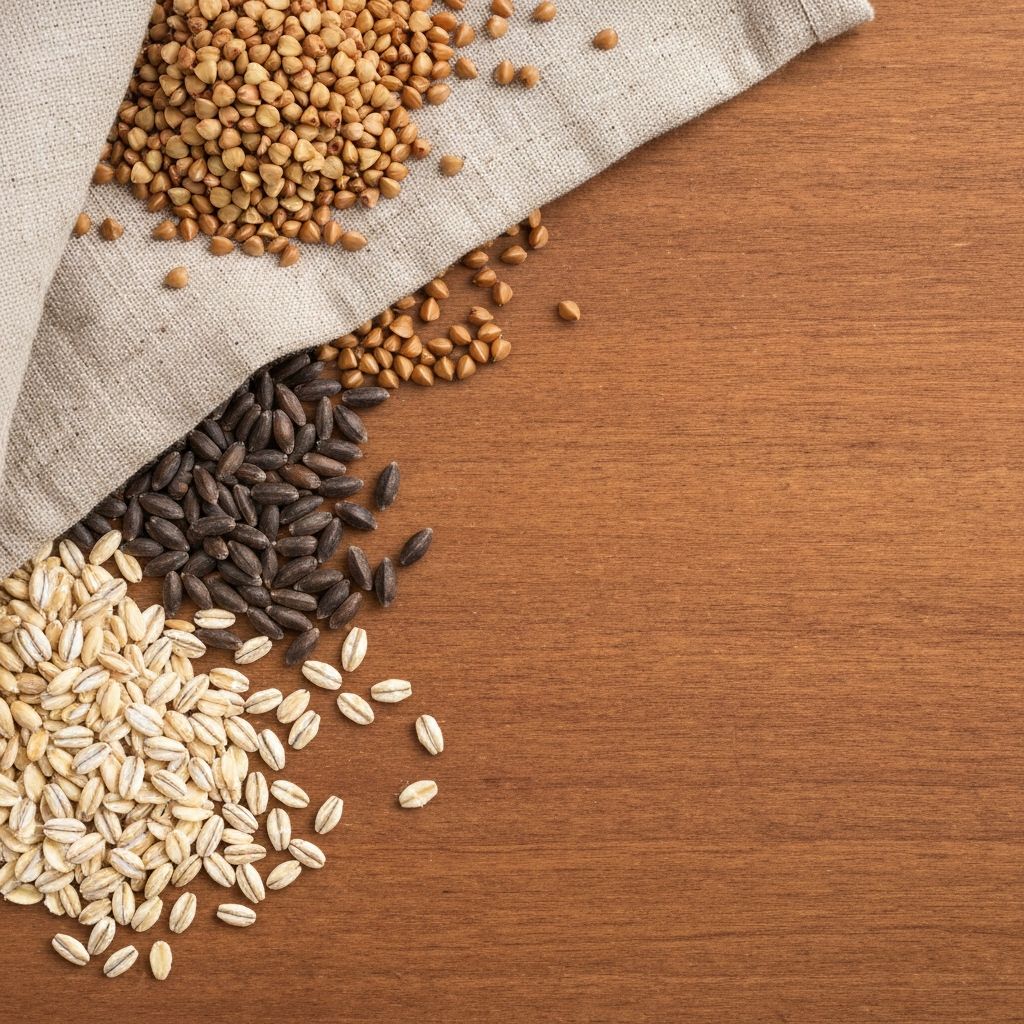
Whole Grains and Cereals
Whole grains naturally contain vitamins (especially B vitamins and vitamin E), minerals (magnesium, iron, zinc), and fiber. Different grains offer varying nutrient profiles.
Buckwheat, despite its name, is technically a seed and not a grain. It naturally contains many minerals and has been a staple in Eastern European cooking for centuries.
Rye, barley, and oats are whole grain cereals with natural nutrient content. These foods have been fundamental to traditional Polish and Eastern European diets. Simple inclusion of different grains in everyday eating contributes to dietary variety.
Importance of Simple Food Variety
One of the basic principles observed in traditional eating patterns is the inclusion of variety. Eating different foods across the food groups—vegetables, dairy, grains, nuts, and fruits—provides a broader spectrum of naturally occurring nutrients.
Simple variety does not require complex meal planning or special products. It simply means including different basic foods regularly. Research demonstrates that this approach to everyday eating has been associated with complete nutritional intake in population studies.
Different foods contain overlapping but distinct nutrients. Potatoes provide some nutrients that carrots do not, and vice versa. Dairy products offer nutrients in forms and amounts that differ from what vegetables provide. This complementary nature of foods is why variety in basic ingredients is one of the simple eating principles.
Nutrient Content in Traditional Staples
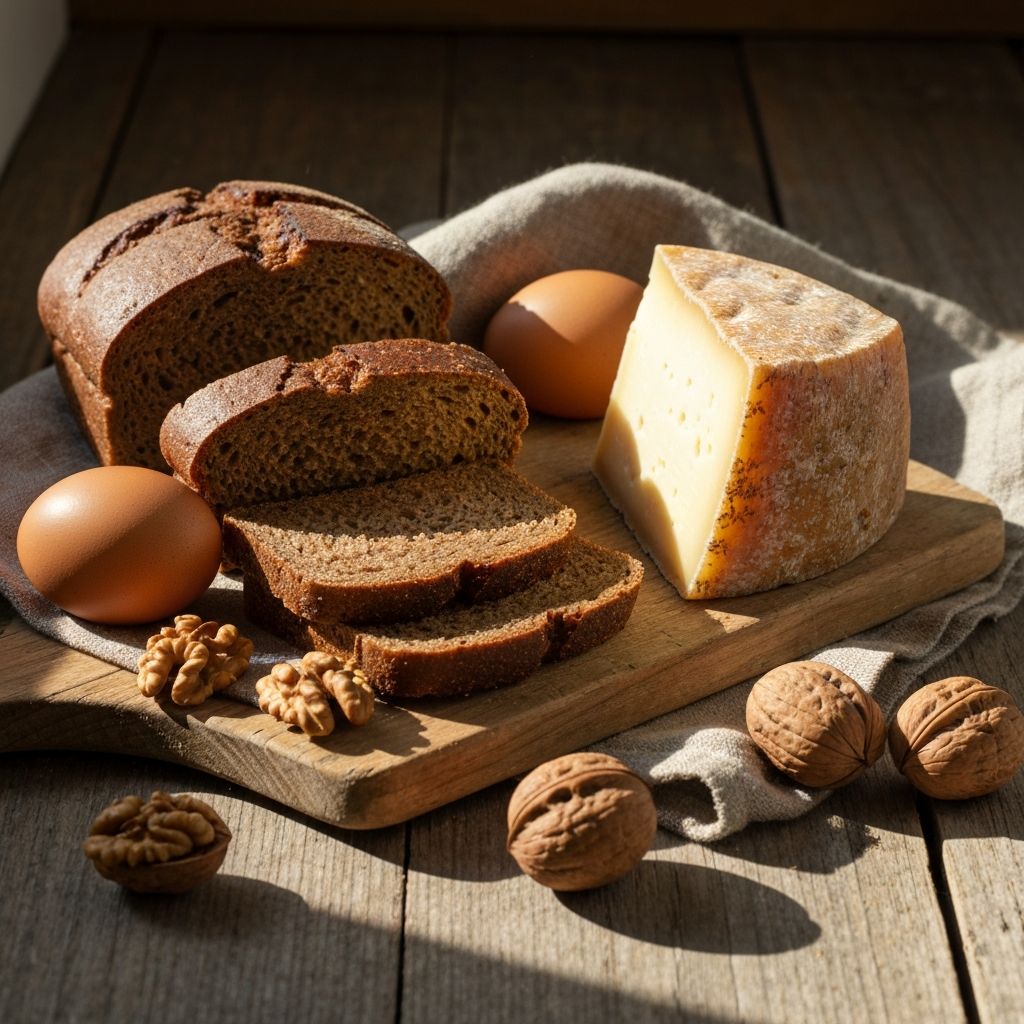
Traditional Polish and Eastern European staples naturally combine multiple nutrients in single meals. A simple composition of dark rye bread, aged cheese, fresh vegetables, and eggs creates a meal with proteins, fats, carbohydrates, vitamins, and minerals from whole food sources.
Such traditional combinations have existed for practical reasons: these foods grew well in the climate, stored well without refrigeration, and together provided what eating populations needed. Modern scientific understanding of nutrients explains why these traditional patterns provided balanced nutrition.
Buckwheat, barley, and rye provide B vitamins and minerals. Vegetables provide vitamin C and various other compounds. Dairy provides calcium and protein. Eggs and nuts provide selenium, choline, and other nutrients. The simple combination of traditional basic foods naturally creates nutritional completeness.
Cooking Effects on Basic Nutrients
Different cooking methods affect nutrient content in foods. This is an important aspect of understanding food composition:
- Boiling: Water-soluble vitamins (B vitamins, vitamin C) can leach into cooking water. Minerals are generally retained.
- Steaming: Retains more water-soluble vitamins compared to boiling since food doesn't directly contact water.
- Roasting: Heat-sensitive vitamins may diminish, but some compounds like lycopene become more available.
- Raw consumption: Preserves water-soluble vitamins but affects bioavailability of some nutrients and compounds.
Traditional cooking methods in Polish and Eastern European cuisine often involved slow cooking, which while affecting some nutrients, also made certain nutrients more bioavailable. Understanding these effects helps recognize how preparation choices influence what we consume.
Hydration in Simple Daily Routine
Water is essential for all metabolic processes. Simple hydration—drinking adequate water throughout the day—is a fundamental aspect of basic nutrition.
Beyond pure water, traditional beverages like herbal teas, simple broths, and fermented beverages like kefir contribute to daily fluid intake. These beverages also contain naturally occurring compounds from their plant or fermented sources.
Simple attention to adequate daily fluid intake is one of the most basic nutritional principles and does not require supplementation or special products.
Everyday Polish Food Nutrient Overview
A simple overview of everyday Polish and Eastern European foods shows how basic ingredients naturally cover nutritional needs:
- Vegetables: Potatoes, carrots, beets, cabbage, onions—provide vitamins, minerals, fiber
- Whole grains: Rye bread, buckwheat, barley—provide B vitamins, minerals, fiber
- Dairy: Kefir, quark, butter, cheese—provide protein, calcium, B vitamins
- Protein sources: Eggs, fish (herring), legumes—provide amino acids, selenium, other nutrients
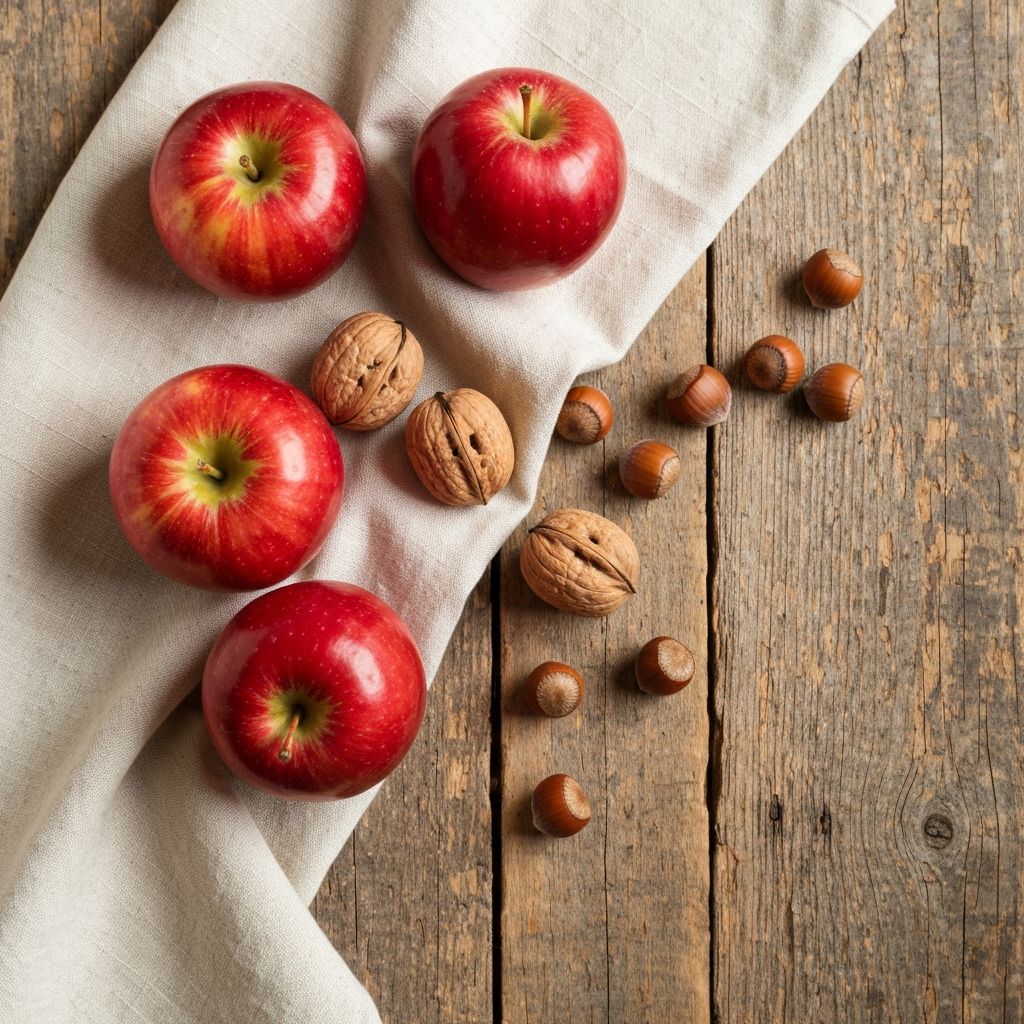
- Fruits and nuts: Apples, berries, walnuts, hazelnuts—provide vitamin C, minerals, healthy fats
These simple foods, when combined in everyday eating, create naturally complete nutrition without the need for added supplements or special products.
Final Information
This resource exists to explain and describe the composition of everyday foods and their role in nutrition. Understanding what naturally occurs in foods supports informed personal choices about eating.
Variety in basic foods, simple meal preparation, and regular consumption of whole foods have been associated in research with complete nutritional intake. These principles do not require special products, supplements, or complex systems.
See simple sources Continue reading